Work readness skills for the Habitat sector
Aim of the course: Currently, the professional habitat sector is configured as a highly competitive environment in which companies are looking for professionals who master, not only the technical skills …
Overview
Aim of the course:
Currently, the professional habitat sector is configured as a highly competitive environment in which companies are looking for professionals who master, not only the technical skills necessary for professional performance, but also other types of skills. In this course, we are going to approach those skills that will improve your employability.
Main ideas:
- There are skills that prepare you to go from being a good professional to an excellent and successful one in any environment.
- Being excellent involves communicating well, avoiding mistakes, building trust, explaining an idea to a client, or coordinating suppliers
- In this sector, no one works alone, so making a difference means knowing how to work as a team respecting, contributing and listening, while being their leader will involve not only giving orders but also inspiring, guiding and helping the team to stay motivated.
- Success will undoubtedly depend on being able to manage conflicts by dialoguing and negotiating so that the work continues to move forward without blocks, while solving problems will mean analyzing quickly and deciding well.
- What else does it take to make the difference between a good professional and an excellent one? It requires motivation to undertake the task, creativity to innovate, resilience to adapt to changes, empathy to understand others and know how to manage time.
Curriculum
- 7 Sections
- 26 Lessons
- 10 Weeks
- Work readiness skills in professional Habitat environments5
- 1.1What are Work Readiness Skills?
- 1.2European frameworks that guide professional development: Entrecomp, GreenComp, DigComp and LifeComp.
- 1.3Skills for employability in the construction and wood sector.
- 1.4Soft skills in the professional sector of Habitat and furniture.
- 1.5Work readiness skills in professional Habitat environments8 Questions
- Keys to effective professional communication in the Habitat environment5
- 2.1Why does communication matter in the habitat sector?
- 2.2Speaking with impact: strategies to improve oral expression and voice management.
- 2.3What is not said also communicates: non-verbal language and effective listening
- 2.4Writing in the Digital Age: Effective Written Communication.
- 2.5Keys to effective professional communication in the habitat environment8 Questions
- Teamwork and time management in the professional Habitat sector.5
- 3.1Why is teamwork key in the habitat and furniture sector?
- 3.2Strategies to optimize teamwork.
- 3.3Tools for the coordination of work teams: special reference to digital tools.
- 3.4Importance of effective time management in a dynamic professional environment.
- 3.5Teamwork and time management in the professional Habitat sector8 Questions
- Leadership and motivation in the Habitat sector5
- 4.1The role of a leader: Inspiring beyond authority and title
- 4.2Motivation that moves: practical keys to strenghten team commitment
- 4.3Leading with emotional intelligence, connecting authentically with your team
- 4.4Inspire, don´t impose: cultivate transformational leadership that drives results
- 4.5Leadership and motivation in Habitat sector8 Questions
- Problem solving and conflict management in the professional Habitat sector5
- 5.1Smart diagnosis. Understanding the conflict before acting
- 5.2Practical tools for solving problems as a team
- 5.3Assertiveness as a fundamental element in the negotiation process
- 5.4Mediation and negotiation strategies for a healthy work environment
- 5.5Problem solving and conflict management8 Questions
- Other skills in the work environment5
- To know more2
Instructor

You May Like
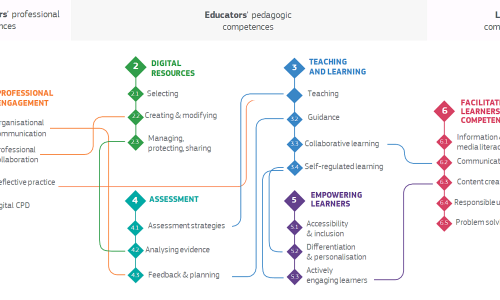
Digital transformation in VET
Aim of the course: This course serves as the starting point of the MOOC Digital Skills for Teaching VET, establishing a common reference framework for...
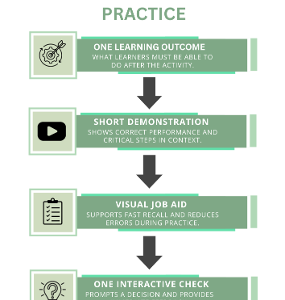
Designing and delivering Digital Learning
Aim of the course: Building on the introductory perspective on digital transformation established in the previous course, this course focuses on the pedagogical translation of...
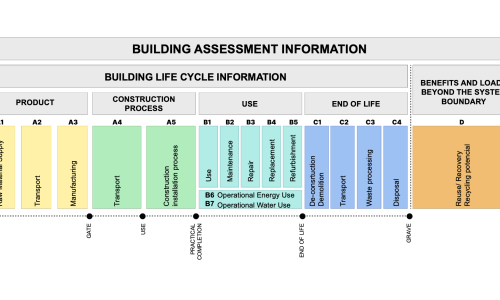
Digital skills for green and inclusive education
Aim of the course: This course extends the MOOC Digital Skills for Teaching VET by applying digital teaching competences to broader societal priorities, positioning digital...
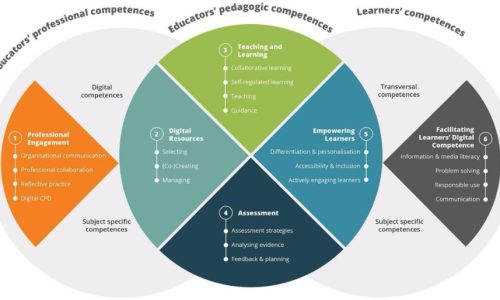
Leadership and digital capacity building
Aim of the course: This course concludes the MOOC Digital Skills for Teaching VET by shifting the focus from individual teaching practices to the institutional...

Understanding Extended Reality
Aim of the course: This course serves as the entry point to the MOOC Introduction to AR/VR/MR/XR, establishing a common conceptual reference that supports the...
Course Features
- Lectures 26
- Quizzes 6
- Duration 10 weeks
- Skill level All levels
- Language English
- Students 0
- Assessments Yes